# How Packaging Design Can Shape Customer Perception of Food Quality
Before customers taste a meal, they often see its packaging first. The shape, color, material, and overall design can create an early idea about the food inside. A neat package can make a meal look fresh, careful, and well prepared.
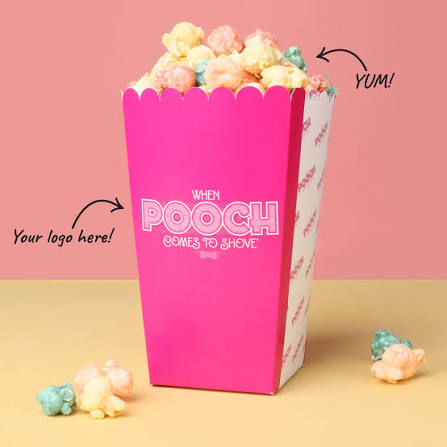
This is true for everything from takeaway meals to snacks. Even simple [personalized popcorn containers](https://elixirpackaging.com/popcorn-boxes/) can give customers a stronger sense of the brand and the product before they take the first bite. Packaging does not replace food quality, but it can shape how people experience it.
## First Impressions Start With Packaging
People often make quick judgments when they see a food package. A clean and well-organized package may suggest that the business pays attention to details.
On the other hand, damaged, dirty, or poorly designed packaging can create doubts. Customers may wonder if the same lack of care was used when preparing the food.
This does not mean packaging needs to be expensive. Simple and tidy designs can create a positive first impression when they are made for the food they contain.
## Color Can Affect Expectations
Colors can influence what customers expect from a food product. Bright colors may create a fun and energetic feeling. Soft or natural colors may suggest a simple or fresh product.
Food businesses can choose colors that match their identity and the type of food they serve. A children's snack may use a different color style than a premium bakery product.
The important thing is consistency. When colors are used in a clear and organized way, customers can more easily recognize the brand.
## Materials Can Send a Message
The material of a package can also affect how people view the food. Thick and sturdy packaging may make a product feel more carefully protected.
Paper-based packaging can give a simple and natural appearance. Clear sections can allow customers to see the food, which may help them understand what they are buying.
The material should always match [the](https://pad.interhop.org/) needs of the food. A package that looks good but does not protect the food properly can hurt the customer experience.
## Clean Design Builds Trust
A crowded package can make it difficult for customers to understand what they are looking at. Too many colors, images, or messages can distract from the main product.
A clean design usually makes important information easier to find. The product name, brand name, ingredients, and other details should be easy to read.
Good design does not need to be complicated. In many cases, simple layouts are easier for customers to understand and remember.
## Packaging Can Highlight Freshness
Customers often connect the appearance of packaging with the condition of the food. A secure package can help keep food protected during storage and transport.
For example, a container that keeps a snack dry and crisp can support the quality customers expect. A strong box can help prevent food from being crushed during delivery.
The package itself cannot make food fresh, but it can help protect the food from conditions that may affect its quality.
## Shape and Structure Matter
The physical shape of packaging can change how customers interact with food. A box that opens easily can make a takeaway meal more enjoyable.
A container that holds food securely can reduce movement and spills. Compartments can keep different foods separate.
The structure should also suit the portion. When packaging is too large or too small, the food may not look or feel right. A well-sized package can make the product appear more organized.
## Branding Creates Recognition
Packaging gives food businesses a useful place to show their identity. A logo, business name, colors, and simple design elements can help customers recognize a product.
When the same visual style is used across different products, customers may begin to connect that style with the business.
However, branding should not take over the package. Customers still need to understand what the food is and how to use or store it.
## Safety Supports Perceived Quality
Food quality is not only about taste and appearance. Safety is also important. Packaging should protect food from dirt, damage, and unnecessary contact.
Food-contact materials should be suitable for their intended use. Packages should also be stored and handled properly before reaching customers.
Clear labels can provide useful information about ingredients, allergens, storage, and other product details. When customers can easily find this information, they may feel more confident about the product.
## Packaging Influences the Eating Experience
The package stays with the customer during much of the food experience. It may be opened at a desk, carried in a car, shared at a party, or used while walking.
A package that is easy to hold and open can make eating more comfortable. Good packaging can also reduce spills and keep food organized.
This shows why design should focus on both appearance and function. A beautiful package that is difficult to use may not leave the best impression.
## Good Packaging Should Match the Product
The strongest packaging designs usually make sense for the food inside. A casual snack may need a fun and simple design, while a high-end dessert may call for a more refined appearance.
The package should also match the business and its customers. Understanding who buys the food can help businesses choose suitable colors, materials, sizes, and features.
When packaging feels connected to the product, the overall experience becomes more consistent.
## Conclusion
Packaging can shape what customers expect before they taste their food. Color, materials, structure, branding, cleanliness, and safety all play a role in that first impression.
Food businesses should therefore look at packaging as part of the complete customer experience. Practical design can protect the food while clear branding can support recognition. With the right custom [packaging supplies](https://elixirpackaging.com/), businesses can create packaging that looks appropriate, works well, and helps customers feel confident about the food they receive.