# How Can a Hindu Groom Find Brides Who Share His Cultural Values?
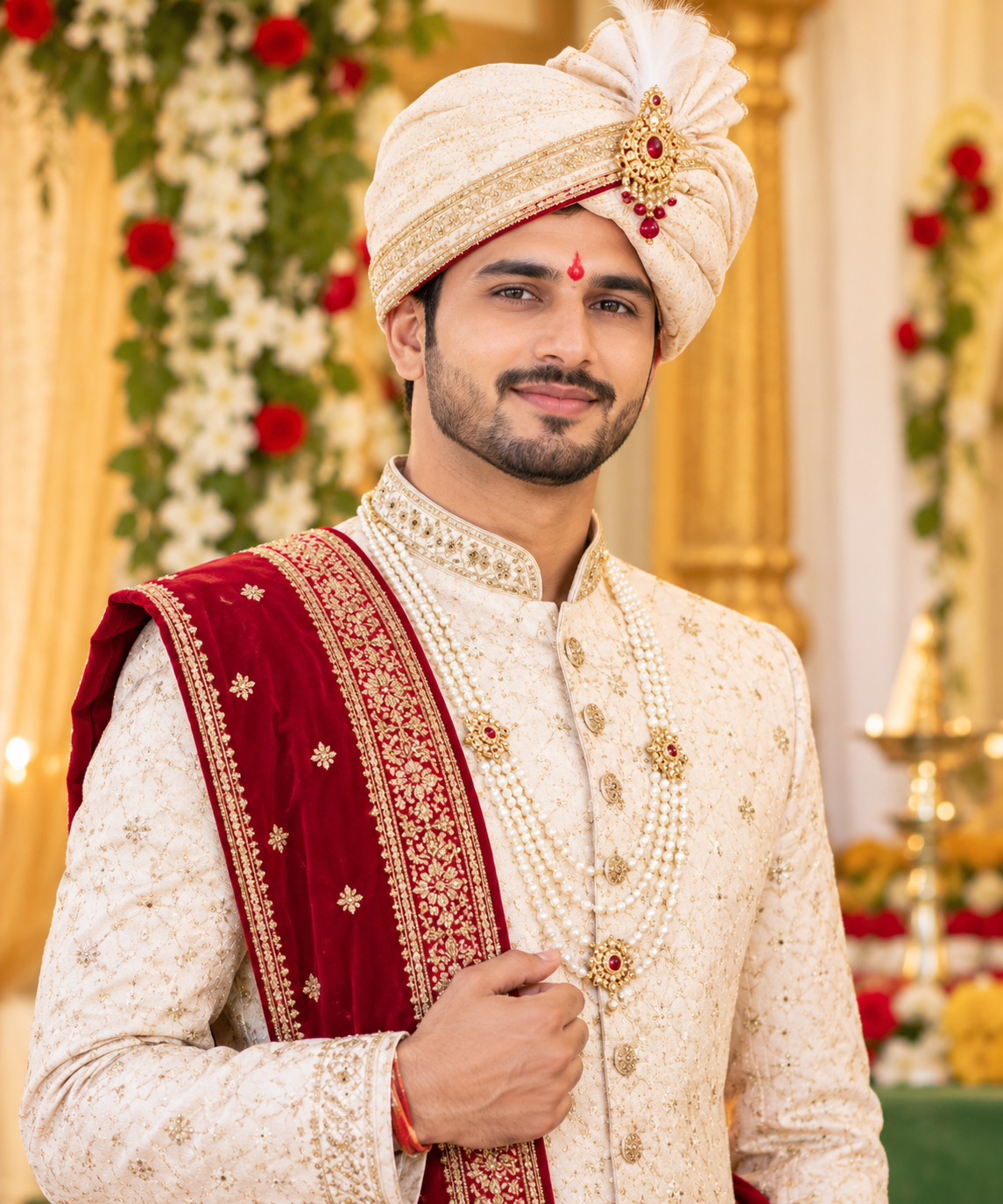
Finding a life partner who shares similar cultural values can be an important consideration when planning a marriage. For a [Hindu groom](https://www.makeyourjodi.com/hindu-matrimony), cultural compatibility may include religious beliefs, family traditions, festival celebrations, lifestyle preferences, and expectations about married life. These shared values can help two people understand each other better and build a strong foundation for a lasting relationship.
With the growing popularity of online matrimonial websites, finding potential brides has become more convenient. These platforms allow individuals and families to explore profiles based on community preferences, cultural backgrounds, education, profession, and personal interests. However, finding a compatible partner requires more than selecting search filters. It also involves honest communication, mutual respect, and an understanding of each other's expectations.
## 1. Understand Your Own Cultural Values
Before beginning the search for a life partner, a Hindu groom should understand which cultural values are most important to him. Every family follows different traditions, and individuals may have different levels of involvement in religious and cultural practices.
Consider whether you value celebrating Hindu festivals, participating in family ceremonies, following particular customs, or maintaining connections with your community. You should also think about your expectations regarding family relationships, personal independence, and future responsibilities.
Identifying your priorities makes it easier to communicate them clearly to potential brides. It also helps you distinguish between essential values and preferences that can be discussed or adjusted.
Remember that cultural compatibility does not require two people to follow every tradition in exactly the same way. Mutual understanding and willingness to respect each other's beliefs are equally important.
## 2. Use Hindu Matrimonial Websites
Hindu matrimonial websites can be useful resources for finding brides who share similar cultural backgrounds. Many platforms offer profile filters related to religion, community, mother tongue, location, education, and family preferences.
A Hindu groom can use these features to narrow the search and identify potential matches whose backgrounds align with his expectations. Before registering, review the website's privacy policies, profile verification options, membership conditions, and communication features.
Create a complete profile that accurately describes your family background, cultural interests, lifestyle, and marriage expectations. This helps potential brides understand your preferences before starting a conversation.
Although search filters can make the process more efficient, they cannot guarantee cultural or personal compatibility. Take time to communicate with potential matches and understand their individual perspectives.
## 3. Discuss Religious Beliefs and Traditions
Religious beliefs and cultural traditions can influence how couples celebrate important occasions and organize family life. Therefore, a Hindu groom should discuss these subjects with a potential bride before making a marriage commitment.
You may talk about celebrating Diwali, Holi, Navratri, and other festivals, as well as participating in family ceremonies or maintaining particular customs. If religious practices are an important part of your daily routine, explain this openly.
It is equally important to ask about the other person's preferences. She may follow some traditions closely while approaching others more flexibly.
These conversations should be respectful rather than judgmental. The goal is to understand each other's expectations and determine whether both individuals can build a comfortable life together while respecting their cultural backgrounds.
## 4. Consider Family Values and Expectations
Family relationships can play an important role in many Hindu marriages. A groom may want a partner who values family connections, respects elders, and enjoys participating in family gatherings.
However, families can differ in their expectations regarding living arrangements, household responsibilities, decision-making, and involvement in personal matters.
Discuss these expectations with a potential bride instead of assuming that she shares the same family structure or lifestyle preferences. For example, talk about whether you plan to live with your parents, how responsibilities may be shared, and how both partners will maintain their individual goals.
A healthy marriage requires consideration for both families as well as the couple's own needs. Cultural compatibility is strongest when both individuals feel respected and have a voice in decisions affecting their future.
## 5. Connect Through Family and Community Networks
Family members, relatives, friends, and trusted community contacts can help introduce a Hindu groom to potential brides with similar cultural backgrounds.
These introductions may provide an opportunity to learn about shared traditions, family expectations, and general lifestyle preferences. Community gatherings, cultural celebrations, and social events can also create opportunities to meet people naturally.
When asking others to help with your search, explain your preferences clearly. Encourage them to consider personality, compatibility, and mutual interest rather than focusing exclusively on family reputation or community status.
Family recommendations can be helpful, but they should not replace direct communication between the prospective partners. Both individuals should have enough time to understand each other and make their own informed decisions.
## 6. Look Beyond Community Labels
Sharing the same religion, language, or community can provide common ground, but it does not automatically guarantee compatibility. Two people from similar backgrounds may have very different opinions about careers, family responsibilities, personal freedom, and lifestyle choices.
A Hindu groom should therefore look beyond community labels and consider the potential bride's personality, interests, ambitions, and approach to relationships.
Ask thoughtful questions about her daily life, cultural interests, future plans, and expectations from marriage. Discuss how each of you would handle differences in traditions or personal preferences.
Being open-minded can help you discover meaningful connections with people who share your core values, even if some aspects of their backgrounds differ from yours.
## 7. Create an Honest and Informative Matrimonial Profile
An informative matrimonial profile helps attract potential brides who genuinely understand and appreciate your values.
Include accurate details about your education, profession, family background, interests, lifestyle, and cultural preferences. If participating in religious ceremonies or celebrating traditional festivals is important to you, mention this naturally.
Avoid presenting yourself as someone who follows every tradition simply to attract more matches. Honest information encourages meaningful conversations and reduces the possibility of misunderstandings later.
You should also explain the qualities you value in a partner, such as kindness, mutual respect, family understanding, and compatible long-term goals. A balanced profile communicates your expectations without making the other person feel restricted by unnecessary demands.
## 8. Verify Profiles and Build Trust Gradually
Finding a culturally compatible bride also requires attention to authenticity and safety. Before making important decisions, take time to verify relevant information through respectful conversations and appropriate checks.
Arrange video calls or meetings in safe public places when both individuals feel comfortable. Be cautious if someone provides inconsistent information, pressures you for money, or asks for sensitive financial details.
Avoid rushing into commitments simply because a person's profile appears culturally compatible. Trust develops through consistent communication, transparency, and mutual respect over time.
Both individuals should feel comfortable asking questions, expressing concerns, and deciding whether the relationship is right for them.
## Conclusion
A Hindu groom can find brides who share his cultural values by understanding his own priorities, using matrimonial websites effectively, connecting through trusted networks, and discussing religious traditions and family expectations openly.
However, cultural compatibility should go hand in hand with emotional understanding, honest communication, and mutual respect. Sharing traditions can provide a meaningful starting point, but a successful marriage also requires flexibility and a willingness to appreciate individual differences.
By focusing on genuine connections rather than relying only on community labels, a Hindu groom can improve his matrimonial search and find a partner with whom he can build a respectful, supportive, and fulfilling married life.